

Order gin online
Order different types of gin from Drinkology
The whole world of gin
Gin has become an indispensable part of modern bars and continues to inspire with new styles and ideas. The basis is a high-quality neutral alcohol, which is refined with juniper berries and selected botanicals such as citrus zest, herbs, and spices. This results in classic styles such as London Dry Gin, modern craft varieties, sweet gin such as Old Tom, and fruity sloe gin made from sloe berries. In our shop, you will find international classics, Dutch gin or genever, and many other types of gin from all over the world for every occasion. Take your time to browse and order your new favorite gin conveniently online at Drinkology.


St. George Combo Gin Set 3 x 0.2L 45% St. George Spirits – Craft Spirits made in USA St. George Spirits was founded in 1982 by the German Jörg Rupf. In the USA, the company is known above all for the exceptional quality of the spirits produced there using artisanal methods. For example, Rupf established high-quality fruit brandies, the production of which he had learned in his homeland in the Black Forest, in the Golden State of California. But the first absinthe produced in the USA after it was banned in 1912 also flowed from Jörg Rupf's stills. The young master distillers Lance Winters and Dave Smith are now in charge and have particularly impressed with exciting gins in recent years. The three gins produced by St. George Spirits are available here in a practical sample package with a 0.2 L sample bottle of each variety. The St. George Terroir Gin The St. George Spirits Terroir Gin is a tribute to the nature of the Golden State of California. These include particularly woody and earthy aromas, which are integrated into the Terroir Gin using unusual ingredients. The "aroma of the forest", for example, is achieved through the use of Douglas fir sprouts, while coriander seeds roasted in the wok(!) provide earthy nuances. A thoroughly unusual gin that is worth trying! The St. George Botanivore Gin “Botanivore” means “botanical eater” and that is exactly what the St. George Botanivore Gin is. A total of 19 different botanicals go into the distillation apparatus. St. George Spirits is kind enough to mention all of them on their homepage, which is a rarity for gin producers these days. The herbs and spices used are: juniper, violet root, angelica root, hops, cinnamon, dill seeds, coriander, fennel seeds, ginger, bergamot, lemon, lime and Seville orange peel, bay leaves, caraway, cardamom, black peppercorns and star anise. An unusual but very well-harmonised potpourri of flavours! The St. George Dry Rye Gin The St. George Dry Rye Gin is aimed at whiskey lovers among gin connoisseurs. In addition to six botanicals, most notably juniper, the malty taste of a fresh rye brandy is the main focus. Similar to a genever, but noticeably different. Other flavouring ingredients are: grapefruit and lime peel, black peppercorns, coriander and caraway. In addition to classic gin cocktails, it is also suitable for drinks based on rye whiskey! An exciting set that we can recommend without reservation!
Content: 0.6 Liter (€63.25 / 1 Liter)*

St. George Dry Rye Gin 0.7L 45% Craft Spirits made in USA Craft beer is now well known in Germany. But craft spirits? This term is more common in the USA, where until the 1980s the spirits market was dominated largely by industrially producing corporations. Craft spirits means something like "handcrafted spirits", e.g. fruit brandies from smaller companies like those we know from the Black Forest or our neighboring country Austria. The German Jörg Rupf, who moved to California over 30 years ago, also recognized the lack of these fine specialties. Enthusiastic about the quality of the raw materials offered there, Rupf, who comes from a family of distillers, decided to open his own distillery. On January 4, 1982 the time had finally come and the St. George Spirits distillery was opened. Thanks to high-quality and unusual distillates, such as a kiwi brandy, Rupf blossomed from a newcomer to an established and respected expert in his field. The St. George Spirits production site now covers over 6,000 m² and surprises with new products almost every year. The St. George Dry Rye Gin The St. George Dry Rye Gin is the third gin offered by St. George alongside the Terroir Gin and the Botanivore Gin. As the name of the Dry Rye Gin suggests, the flavor of this gin is based mainly on the raw rye distillate. In order to maintain the gin character without pushing it too much into the foreground, the rye brandy is carefully flavored with six botanicals. The juniper is clearly in the foreground, which is complemented by black peppercorns, caraway, coriander, grapefruit and lime peel. The taste of the St. George Dry Rye Gin The malty taste of the Dry Rye Gin will make the hearts of whiskey lovers beat faster. But even those who like good Dutch genever will enjoy the St. George Dry Rye Gin. It is suitable in cocktails as an experimental replacement for rye whiskeys and also cuts a fine figure in classics such as the Negroni, Martinez or Gin Buck!
Content: 0.7 Liter (€49.29 / 1 Liter)*

St. George Terroir Gin 0.7L 45% The story of St. George Spirits It was the beginning of the 1980s when the young Jörg Rupf emigrated from the Black Forest to California. His family had been distilling spirits for several generations and so Jörg Rupf had a keen eye for the extraordinarily high quality of raw materials that were available in the area around San Francisco. In 1982 he finally decided to set up his own distillery - the birth of St. George Spirits! At that time, almost all of the spirits offered in the USA came from large, industrially operated distilleries. Jörg Rupf's hand-crafted distillates quickly caused a stir, which was due not only to the quality but also to exceptional products such as a kiwi brandy. At about the same time, the "craft beer" movement began to develop in the USA, which also had a positive influence on the sales of "craft spirits" from St. George. The one-man company has now developed into a medium-sized company that produces a variety of different spirits on an area of over 6,000 m². One of them is the St. George Terroir Gin! The production of the St. George Terroir Gin The St. George Terroir Gin is a homage to the beauty of nature in California. Its flavor is based on the forests and soil of the Golden State. The botanicals used are therefore rather unusual. For example, Douglas fir is processed in the same way as the leaves of Californian laurel trees. The Terroir Gin gets its fine earthy aromas from coriander seeds, which are carefully roasted in a wok beforehand. The taste of the St. George Terroir Gin "One of the most distinctive gins from America" - that's how Food & Wine Magazine describes the Terroir Gin. And they're spot on, because the taste of the Terroir Gin is really incomparable to almost any other product. The nose reveals the unusual aromas of spruce, which transports you straight to the Christmas season. The Terroir Gin is suitable for any time of year and will surprise even experienced Gin & Tonic and Martini Dry drinkers!
Content: 0.7 Liter (€50.71 / 1 Liter)*

St. George Botanivore Gin 0.7 L 45% St. George Spirits – German craftsmanship in the USA The company St. George Spirits is considered one of the pioneers in the field of hand-crafted spirits in the USA. Behind this success is Jörg Rupf, who comes from Germany and moved to California as a young man and was immediately impressed by the quality and variety of the food on offer. As his family had been distilling spirits in the Black Forest for generations, he decided to continue this tradition and founded the St. George Spirits distillery in 1982. With his high-quality and sometimes very unusual spirits, such as a kiwi brandy, Jörg Rupf quickly made a name for himself and even Americans, who were otherwise more fixated on whiskey, began to take an interest in his fruit brandies. Sales rose steadily over the next few years and enabled Jörg Rupf to expand. Production now takes place in a former airport hangar measuring over 6,000 m², and St. George Spirits is one of the leading suppliers of hand-crafted spirits in the USA. The St. George Botanivore Gin The Botanivore Gin is, along with the Terroir Gin and the Dry Rye Gin, one of three gins offered by St. George Spirits. The distillers jokingly refer to it as a "botanical eater" because of the large number of botanicals used in its production. A total of 19 different ingredients, which St. George Spirits, unlike many other companies, keeps no secret about. The St. George Botanivore Gin contains the following botanicals: angelica root, bay leaf, bergamot peel, cinnamon, hops, coriander, dill seeds, fennel seeds, ginger, juniper, lemon peel, lime peel, Seville orange peel, violet root, black peppercorns, caraway, cardamom, coriander and star anise. A whole potpourri of flavors that harmonize wonderfully with each other! The taste of the St. George Botanivore Gin As befits a "botanivore", the Botanivore Gin has an extremely deep and complex structure. Despite all this, the Botanivore Gin retains a certain lightness, which makes it the ideal gin for the classic Martini Dry. With an impressive 93 points, Botanivore Gin 2012 made it into the list of the “Top 50 Spirits” in the renowned magazine “Wine Enthusiast”.
Content: 0.7 Liter (€49.29 / 1 Liter)*

Elephant London Dry Gin 0.5L 45% The history of Elephant London Dry Gin Gin from Germany has experienced a strong boom in recent years. Brands such as Monkey 47 Schwarzwald Dry Gin and The Duke Munich Dry Gin have convinced gin lovers and experts alike and laid the foundation for other brands. Since then, many products have flooded the market, most of which have not, however, been convincing. The situation is different with Elephant London Dry Gin. It has been produced in Germany since 2013 and is closely linked to the continent of Africa. The producers of Elephant London Dry Gin were not only inspired by the magic of Africa when it came to the ingredients, but also help to preserve the originality of the black continent. For every bottle of Elephant London Dry Gin sold, the manufacturer donates 15% to elephant conservation organizations in Africa, which, among other things, help to preserve the original routes of African elephants. The elaborately designed bottle, with its label in the form of an old African postage stamp, the natural cork and the hand-wound cord, conveys the flair of Africa from the time of discovery. The production of Elephant London Dry Gin The basis for the taste of Elephant London Dry Gin, which is produced near Hamburg, is of course juniper. The other 14 botanicals are rather unusual and mostly come from Africa. The probably least known botanicals are the fruit of the baobab (monkey bread tree), African smoked wormwood, devil's claw and buchu flowers. Components from Germany such as apple are also used, which are distilled in a copper pot still together with the neutral alcohol after maceration. Elephant London Dry Gin is produced in relatively small batches. These are not differentiated by numbers as is usually the case, but are named after elephants that are protected by the organizations. The name of the respective batch or elephant is noted on each bottle. The taste of the Elephant London Dry Gin Just like the botanicals, the taste of the Elephant London Dry Gin is also surprising. The first impression on the nose is floral and fruity and less dominated by juniper than expected. On the palate, the Elephant London Dry Gin then shows its full potential and convinces with notes of pine needles, cinnamon and the sour-fruity aromas of the baobab fruit, which are rather unknown to the German palate. Overall, the Elephant London Dry Gin has a very complex play of aromas, which can also be perceived for a long time in the aftertaste. The manufacturer recommends serving the Elephant London Dry Gin with a slice of apple, as this highlights the fruity notes of the Elephant London Dry Gin particularly well. We can only support this statement and recommend the Elephant London Dry Gin with a clear conscience!
Content: 0.5 Liter (€65.00 / 1 Liter)*

MRDC River Rose Gin 0.7L 40% The history of the Mississippi River Distilling Company The MRDC River Rose Gin is produced by the Mississippi River Distilling Company in LeClaire, Iowa. The Mississippi River Distilling Company was founded in 2010 by two brothers who wanted to realize their dream of owning their own distillery. They wanted to produce an honest, handcrafted gin. A product that the region had not seen since Prohibition. Contracts were signed with local farms that from then on supplied the ingredients for the Mississippi River Distilling Company's products. These are corn, wheat, malt and rye. From this, the Mississippi River Distilling Company produces River Pilot Vodka, River Rose Gin, River Baron, Artisan Spirit, Cody Road Bourbon and Cody Road Rye. The production of River Rose Gin The River Rose Gin honors a time long gone. A time in which, for example, the great Gatsby lived and celebrated his legendary parties. This is also evident in the ingredients of the River Rose Gin. The current recipe for the River Rose Gin goes back to a recipe from the 1800s. In addition to juniper, the pure distillate is flavored with lots of citrus. For example, orange, grapefruit and lemon find their way into the maceration tank. Other botanicals used are lavender, rose petals and locally grown cucumbers, which provide the unmistakable finish of the River Rose Gin. The copper still for the River Rose Gin is also called "Rose". It comes from Germany and was manufactured by the renowned company Kothe Destillationstechnik in Eislingen. Although the distillery has a rectification column, it also enables production using the traditional pot still method. This quality product "Made in Germany" is the basis for the great taste of River Rose Gin. The taste of River Rose Gin On the nose, River Rose Gin has a not too dominant juniper characteristic and the expected intense notes of citrus fruits. The citrus fruits can also be clearly perceived on the palate in River Rose Gin and are complemented by a gentle floral note. The aftertaste of River Rose Gin reveals fine aromas of cucumber and lavender. Overall, a very harmonious gin of high quality!
Content: 0.7 Liter (€35.64 / 1 Liter)*

Professor Cornelius Ampleforth's Bathtub Gin 0.7L 43.3% The story of Professor Cornelius Ampleforth's Bathtub Gin In America during the Prohibition era, gin was the most consumed spirit in the USA. Since spirits could not be officially produced at the time for well-known reasons, people had to make do with homemade alcohol. The ingenuity of the population knew no bounds and so the beloved gin was simply made in their own bathtub. The starting material for the so-called "bathtub gin" was often inferior alcohol. If even inferior alcohol could not be found, even denatured alcohol was used, which people tried to make more tasty by adding juniper berries and other spices. The bathtub gin produced in this way was of poor quality and caused health problems or even blindness for many drinkers. Nevertheless, it was often the only alternative at the time and has been glorified over the years.Today, Bathtub Gin enjoys a very good, slightly wicked, reputation again. This is due to high-quality products such as Cornelius Ampleforth's Bathtub Gin, which of course no longer has much in common with the products of the past in terms of quality. The Englishman Cornelius Ampleforth has been known as the "mad professor" in the international spirits scene for years and he uses a very idiosyncratic production method to revive long-forgotten products in his small spirits factory. One of these products is Cornelius Ampleforth's Bathtub Gin, which is actually produced in tiny batches of just 30-60 bottles per production process. Just like the original Bathtub Gin. The production of Professor Cornelius Ampleforth's Bathtub Gin The basis for Professor Cornelius Ampleforth's Bathtub Gin is high-quality grain alcohol distilled in copper stills, which is infused at room temperature with juniper, orange zest, coriander, cinnamon, cloves and cardamom, among other things. During the entire maceration process, the Bathtub Gin is continuously sensorially tested by Professor Cornelius Ampleforth and bottled at the best possible time. It is bottled in visually very attractive bottles that are wrapped in brown paper and sealed with twine and black wax. The taste of Professor Cornelius Ampleforth's Bathtub Gin The Professor Cornelius Ampleforth's Bathtub Gin is a truly exceptional gin, which only reveals very light aromas of the botanicals used on the nose. If you take a sip of Professor Cornelius Ampleforth's Bathtub Gin, you can notice the herbs and spices used more clearly and they harmonize well with the perfect quality of the base alcohol. The aftertaste of Professor Cornelius Ampleforth's Bathtub Gin is very clean and characterized by juniper, cardamom and cinnamon. The high quality of Professor Cornelius Ampleforth's Bathtub Gin has already been recognized by numerous tasters and experts and Professor Cornelius Ampleforth's Bathtub Gin won the gold medal in both the Premium and Super Premium categories at the International Spirits Challenge 2013. These are just two of the many awards for Professor Cornelius Ampleforth's Bathtub Gin, but they are good proof that this is no ordinary gin. Our tip: give it a try!
Content: 0.7 Liter (€55.64 / 1 Liter)*

Corsair Gin, 0.7 L, 44% The story of Corsair Gin “HAND CRAFTED SMALL BATCH ULTRA PREMIUM BOOZE FOR BADASSES” – The Corsair Distillery uses this striking slogan to advertise its products. And in fact, the statement “Hand Crafted Small Batch”, i.e. produced in small batches and by hand, can be taken literally when it comes to the spirits of the Corsair Distillery. The distillery was founded by kindergarten friends Darek Bell and Andrew Webber. The two enthusiasts started by making home-brewed beer and producing their own wine in the garage of Darek Bell and his wife Amy Lee. However, they quickly realized that they wanted something “spiritor” and wanted to make their own gin and whiskey. They therefore began to take a closer look at distillery technology and visited numerous distilleries to talk to the local master distillers. After Bell and Webber had acquired their own hand-hammered copper pot still, they began producing their own spirits. The Corsair Gin When producing their gin, it was important to Andrew Webber and Darek Bell to prepare a classic gin that nevertheless broke new ground. The botanicals used are all well-known gin classics, but no further details will be revealed, but they are used in unusual proportions. Furthermore, all herbs and spices used are sustainably grown - a point that is becoming increasingly important these days! On the nose, the Corsair Gin has a clear citrus aroma and, of course, strong nuances of juniper. On the palate, this modern gin is very smooth and refreshing. An uncomplicated gin that doesn't seem artificial but still has a very high quality. A gin full of style, goodness and modesty. Ideal for classics such as gin & tonic or the famous Martini Dry Cocktail. Experts are also convinced of the quality of Corsair Gin and it has won gold medals at the renowned San Francisco World Spirits Competition and the World Beverage Competition, among others!
Content: 0.7 Liter (€52.14 / 1 Liter)*

Tanqueray Gin Rangpur, 0.7L 41.3%
Content: 0.7 Liter (€42.79 / 1 Liter)*


Foxdenton Raspberry Gin Liqueur 0.7 L, 21.5%
Content: 0.7 Liter (€32.14 / 1 Liter)*

The Sting Small Batch London Dry Gin, 0.7 L, 40%
Content: 0.7 Liter (€50.86 / 1 Liter)*

Mayfair London Dry Gin 0.05L 40%The Mayfair London Dry Gin miniature combines British elegance with classic gin tradition and reflects the exclusive lifestyle of London's Mayfair district. Despite its compact size, this gin offers a full-bodied taste experience and stands for quality, style, and authenticity. Produced in the traditional London Dry style, this gin impresses with its clear and harmonious aroma. A pronounced juniper bouquet unfolds on the nose, accompanied by subtle spice notes. On the palate, it is balanced and complex with a pleasant spiciness and classic freshness. The Mayfair London Dry Gin is ideal for sampling, gifting, or for stylish gin and tonics. An elegant classic in miniature format for discerning connoisseurs.
Content: 0.05 Liter (€79.00 / 1 Liter)*

Filliers Dry Gin 28, 0.5 L, 46% Few companies can look back on such a long history as Filliers. The traditional Belgian company was officially founded in 1880, making it one of the oldest family-run companies in Belgium. The history of Filliers goes back even further, to 1792. That was when Karel Lodewijk Filliers was born, who first began distilling jenever on the family's farm. In 1880, the Filliers family finally acquired a steam engine, which made it possible for the first time to produce jenever and other spirits on a large scale, which is why this year is given as the official year the distillery was founded. The company has remained in the possession of the Filliers family up to the present day and is now one of the best known Belgian spirits companies. One of the cornerstones of its success was the family's high level of innovation. With ever new and sophisticated products, it has always been possible to remain present in the highly competitive market. The Filliers Dry Gin 28 One of these innovative products is the Filliers Dry Gin 28. The recipe for the Filliers Dry Gin 28 was developed in 1928 by Firmin Filliers, the third generation of the owner family. Up until that time, Filliers had basically only produced jenever, which is why gin was a logical development, as the taste of jenever is also based on juniper, which is traditionally the forerunner of gin. As with jenever, the gin is based on high-quality neutral alcohol, which is then mixed with various herbs and spices, the so-called botanicals. Firmin Filliers chose a total of 28 botanicals for his recipe, ranging from citrus fruits to exotic herbs and strong roots. In total, the Filliers Dry Gin 28 goes through several distillation steps in a small copper pot still, which gives it its distinctive and finely defined taste. The manufacturer recommends enjoying this classic gin in the long drink Gin & Tonic. An opinion that we can only share!
Content: 0.5 Liter (€55.00 / 1 Liter)*

Nolet's The Reserve Dry Gin 0.7L 52.3% – Exceptional Dutch Gin from a Historic Distillery Nolet's The Reserve Dry Gin is a distinctive gin from the Netherlands and comes from the Nolet family, whose distilling history dates back to 1691. Founded by Jan Lucasse Nolet, the Nolet Distillery is regarded as the oldest surviving distillery in the Netherlands. With an impressive strength of 52.3% ABV, The Reserve is an expressive and sophisticated Dry Gin created for special occasions and discerning gin enthusiasts. More Than 300 Years of Family Tradition The history of the Nolet family began in 1691, when Jan Lucasse Nolet founded his distillery. The business was passed down through the generations and developed with dedication, ambition and a strong commitment to distilling. Today, the historic distillery is operated by the tenth generation of the Nolet family. This remarkable history continues to shape the philosophy of the house. Over more than three centuries, the family has built extensive experience in the production of spirits while continuously developing its approach to distillation. Nolet combines deep historical roots with a willingness to explore new directions in the world of premium spirits. From Traditional Genever to an International Spirits House For many decades, Genever was the core product of the Nolet Distillery. As drinking habits changed and interest in Genever declined among younger consumers, the family faced the challenge of combining its long-standing traditions with new approaches to spirits production. Carolus H. J. Nolet, now representing the tenth generation of the family, took an important step in this direction. In 1983, he successfully introduced Ketel One Vodka to the market. The international success of the brand eventually gave him the opportunity to pursue his own vision and further establish the Nolet name in the world of contemporary spirits. Nolet's The Reserve – A Modern Expression of the Nolet Philosophy With Nolet's The Reserve Dry Gin, the Nolet family demonstrates how centuries of distilling experience can be combined with modern gin culture. Its refined and exclusive positioning makes this gin particularly appealing to enthusiasts who appreciate distinctive spirits with an exceptional historical background. At 52.3% ABV, The Reserve has a powerful and commanding presence. At the same time, its carefully considered production emphasizes complexity and character. It is therefore an intriguing choice for experienced gin lovers looking for a sophisticated and expressive Dry Gin. Tradition, Craftsmanship and Dutch Distilling Heritage Nolet's The Reserve is closely connected to the remarkable history of the Nolet Distillery. Since its foundation in 1691, the family business has repeatedly adapted to changing markets while maintaining its identity and deep distilling heritage. This combination of tradition and innovation has made the Nolet family an important name in Dutch spirits. The Reserve Dry Gin represents this philosophy by bringing together the experience of ten generations with a contemporary interpretation of Dry Gin. A Special Gin for Discerning Enthusiasts With its strength of 52.3% ABV, Nolet's The Reserve Dry Gin 0.7L is ideally suited to thoughtful enjoyment. It can be tasted neat to appreciate its full character or used as a distinctive base for sophisticated gin cocktails. The 0.7-litre bottle also makes an elegant gift for lovers of exceptional spirits. For anyone interested in historic distilleries, Dutch distilling heritage and distinctive Dry Gin, Nolet's The Reserve offers a fascinating combination of tradition and contemporary spirits culture. Nolet's The Reserve Dry Gin – Dutch Distilling Since 1691 Nolet's The Reserve Dry Gin 0.7L 52.3% represents more than three centuries of Dutch distilling history. The Nolet family has operated its distillery across ten generations since 1691, combining traditional expertise with an innovative spirit. Its high strength and distinctive positioning make The Reserve an exceptional choice for discerning gin and spirits enthusiasts.
Content: 0.7 Liter (€970.71 / 1 Liter)*

Jensen's Bermondsey Dry Gin 0.7L 43% Dry Gin as a way to achieve your goal Christian Jensen became a gin producer by chance when he came across the forerunner of dry gin on a visit to Japan. Old Tom Gin was a very popular gin style in England long before dry gin and almost led to the collapse of society when the gin craze could only be contained with difficulty in the 17th and 18th centuries. Only in Japan at that time did Old Tom Gin still have a few fans and it appeared there every now and then. Starting the revival of Old Tom Gin Jensen was all the more surprised that this delicious gin was no longer produced in England, even though major brands still had it in their range in the 20th century. After returning to England, he continued to follow the trail of Old Tom Gin and contacted a local distiller to revive it. Through extensive research into suitable spices, Jensen's Dry Gin was first created, which was not the goal but at least the path to Old Tom Gin and produces a wonderful gin & tonic. Jensen's Bermondsey Dry Gin in the taste test The aroma is clearly led by juniper berries, and intense tones of fresh herbs and spices can be detected. Very delicious and with a complex and velvety structure. Perfect in combination with tonic water or in the king of cocktails, the Dry Martini. Jensen's Dry Gin is convincing across the board and you may find it hard to believe given the very minimalist product presentation, but it is not the high-quality packaging that counts here, but the honest and extremely delicious contents in the bottle.
Content: 0.7 Liter (€44.21 / 1 Liter)*

Monkey 47 Sloe Gin, 0.5 L, 29%
Content: 0.5 Liter (€87.90 / 1 Liter)*

Mombasa Club London Dry Gin 0.7L 41.5% The history of the Mombasa Club London Dry Gin The history of the Mombasa Club London Dry Gin begins in Africa. It was in 1888 when the Imperial British Africa Company was sent to Kenya to take over the administration of British East Africa for the next few years.At that time, it was common in the British Empire for gentlemen to visit exclusive clubs that were reserved for certain classes. Women were also not allowed into these clubs. Over the years, these "gentleman clubs" also established themselves in the British colonies. It was not long before the Imperial British Africa Company founded its own "gentleman club" in the Kenyan city of Mombasa: the Mombasa Club. The selected members of these clubs indulged in a common passion: gin. This was imported from England especially for the Mombasa Club and was christened Mombasa Club London Dry Gin by the soldiers. The production of the Mombasa Club London Dry Gin Only the highest quality grain is used for the Mombasa Club London Dry Gin. This is distilled four times for the Mombasa Club London Dry Gin and the distillate is flavoured with a variety of botanicals. When producing the modern Mombasa Club London Dry Gin, it was important to the master distiller to bring the character of Africa into the glass. For this reason, he chose exotic botanicals such as cassia bark and aniseed in addition to the typical aromatics such as juniper, cloves and angelica root for the Mombasa Club London Dry Gin. After maceration and further distillation, the Mombasa Club London Dry Gin is bottled in attractive bottles. These are reminiscent of the colonial era with their handles. The taste of the Mombasa Club London Dry Gin You can tell that the heart of Africa beats in the Mombasa Club London Dry Gin. On the nose, the Mombasa Club London Dry Gin has fine notes of cumin, juniper and angelica. Similar aromas can be seen on the palate in the Mombasa Club London Dry Gin, in combination with citrus notes. The aftertaste of the Mombasa Club London Dry Gin is long, refreshing and full of energy. A great gin!
Content: 0.7 Liter (€37.29 / 1 Liter)*

Ransom Old Tom Gin 0.7L 44% This remarkable Old Tom Gin is produced by Ransom Spirits, based in Oregon, USA. The gin is a remake of the "Old Tom" style of gin, which was extremely popular in England in the 18th century.It is a slightly sweetened gin that is the basis of many classic cocktail recipes. Ransom Spirits developed its Old Tom Gin with the help of the famous cocktail historian David Wondrich, who also developed a Curaçao with Cognac Ferrand that was named "Spirit of the Year 2013".In the production of Ransom Old Tom Gin, a malty spice is used, which is also why the subtle malt notes on the nose are due to it. After distillation, various herbs and spices are added to the base for maceration and then distilled in small pot stills and the best fraction of the distillation is bottled. A great Old Tom Gin that is ideal for the Martinez cocktail.
Content: 0.7 Liter (€76.43 / 1 Liter)*

Content: 0.7 Liter (€57.00 / 1 Liter)*

Brecon Special Reserve Gin Miniature, 0.05 L, 40%
Content: 0.05 Liter (€124.00 / 1 Liter)*

Tanqueray London Dry Gin This world-famous gin is made according to an old recipe by Charles Tanqueray from the finest grain, the best water and selected botanicals in a fourfold distillation process. Tanqueray Gin has been named the best gin in the world several times in its history at various competitions. The distinctive bottle shape of the Tanqueray probably goes back to old English fire hydrants or historical cocktail shakers. The gin impresses on the nose with its fine spiciness. On the palate it is very complex and tangy. The aftertaste is very delicate and long. This bottling contains the alcohol strength of 43.1%, which is highly valued by bartenders.
Content: 0.7 Liter (€28.50 / 1 Liter)*

Haswell London Dry Gin 0.7L 47% Julian Haswell, the developer and owner of "Haswell" London Distilled Dry Gin, believes that the three most important ingredients for a London Dry Gin are juniper berries, angelica root and coriander seeds.In addition to these basic botanicals, Haswell Gin also contains bitter orange peel from Haiti and Morocco and sweet orange peel from Spain and Morocco, which give it a clearly perceptible citrus aroma with depth. Other botanicals such as liquorice root, grains of paradise and savory give the gin additional complexity. A tasty gin that is also very suitable for drinking neat.
Content: 0.7 Liter (€37.07 / 1 Liter)*

DH Krahn Gin 0.7L 40% The two fellow students Dave Hughes and Scott Krahn worked together at Cornell University on a project that involved the successful launch of a new spirit on the market. During this project, they dealt so extensively with the production and marketing of the perfect gin that they did not let go of this idea even after they had finished their studies.After further years of research, they developed a recipe that uses relatively few botanicals. This means that the gin is not overloaded with countless aromas, but has a very direct and clear taste. It is distilled by hand in a specially made alembic still and then stored for at least three months in neutral steel containers to harmonize its taste.On the nose, the gin has a light ginger note, which is complemented by fine citrus aromas on the palate. A little coriander can be detected in the aftertaste.
Content: 0.7 Liter (€28.50 / 1 Liter)*
What exactly is gin?
Gin is a flavored spirit based on neutral alcohol. Its characteristic profile comes from juniper berries and additional botanicals. To help you keep track when buying gin online and comparing different styles, the most important features are summarized below.
Quick overview of gin characteristics:
Alcohol content
In the European Union, gin must contain at least 37.5% alcohol by volume. Many well-known gins are bottled at around 40%, while stronger expressions can be significantly higher. A higher alcohol content can add more depth and aroma in cocktails.
Flavor and aromas
Juniper is always at the center. Depending on the recipe, it is accompanied by citrus notes, herbs, spices, or floral nuances. The spectrum ranges from crisp and dry to noticeably sweeter gin styles with a softer texture.
Botanicals
Botanicals are the plant-based ingredients that give gin its aroma. Typical botanicals include juniper, coriander, angelica root, cinnamon bark, pepper, lavender, citrus fruits, and orange peel. Many producers also use regional herbs or unusual ingredients, creating distinctive and unique gin styles.
Color
Most gins are clear. Barrel-aged expressions can take on golden or amber tones. Sloe gin and other blackthorn-based gins often show an intense red color and are among the popular sweeter gin varieties.
Origin
The origins of gin can be traced back to the Netherlands in the 17th century, where genever was used as a medicinal spirit. Genever was made with juniper berries, which are the fruit of the juniper plant. In the 18th century, “gin” made its way to England. It was inexpensive and widely produced due to its relatively simple manufacturing process, which led to its rapid spread. Over time, gin became a globally popular spirit. Today, gin is produced worldwide. In addition to the Netherlands, classic centers include Great Britain and Belgium, as well as many modern distilleries in Germany, Spain, Scandinavia, Japan, and numerous other countries.
Use
Gin is often enjoyed neat, over ice, or in long drinks and cocktails. Well-known examples include the Gin & Tonic, Martini, Negroni, Tom Collins, as well as drinks based on Old Tom and sloe gin. If you want to order gin online, you can also browse our matching recipes for inspiration.
How is gin made?
The production of gin begins with a neutral-tasting base spirit. This is usually made from grain, but it can also be derived from other agricultural raw materials. Juniper berries and additional botanicals are then introduced to create gin’s characteristic aroma.
Typical steps in gin production
-
Maceration
The botanicals are crushed and steeped in the alcohol. During this time, the aromas dissolve and are absorbed by the spirit. The aromatic base is then redistilled, filtered, and diluted with water to reach bottling strength. -
Digestion
Similar to maceration, but with gentle heating. The botanicals are steeped in alcohol and warmed at a moderate temperature. This allows essential oils to dissolve more quickly, making this method especially suitable for roots and woods. -
Vapor infusion or percolation
Alcohol vapor passes through an aroma basket filled with botanicals. The flavors are extracted in a particularly gentle way. The result is often very clean, fresh, and elegant gin profiles.

Many distilleries combine different methods to achieve a distinctive character. After distillation, the gin is diluted with water to reach the desired bottling strength. For aged gin, this is followed by maturation in wooden barrels. For sloe gin or other sweet styles, sloe berries and sugar are added, resulting in a noticeably sweeter gin profile.
What types of gin are there?
Anyone looking to buy gin is quickly faced with the question of which style is the right choice. The sheer variety of gin styles available today can make classification challenging. However, the following styles are generally considered classic.
London Dry Gin
A classic dry gin with a clear juniper and citrus profile. No sugar may be added, and all flavors must be introduced during distillation. Ideal for gin & tonic and many other cocktails.

Hammer London Dry Gin 1.0L 40% England's tradition visits Oslo Hammer London Dry Gin, which at first glance seems almost inconspicuous, was distilled near the Norwegian capital Oslo. The mineral-rich water from the Hadeland springs was used, whose rocky landscape is, according to research, around 300 million years old. A double pot still distillation and a special filter technology are the decisive factors in bringing the delicious aromas of the botanicals used into Hammer London Dry Gin. The finest spices and herbs are selected with great care to perfect the gin. The individual ingredients for the aromas are not added afterwards, but during distillation, thus creating the unmistakable character. The recipe for London Dry Gin comes from England and can be traced back to 1776. It later made its way to the Scandinavian country via a roundabout route and has enjoyed great popularity ever since. The play of aromas The first scent is a strong hint of ripe juniper berries, the classic ingredient in gin. The combination of different ingredients, which are either dried or provide a refreshing kick, is striking. The notes of fine herbs play around the nose in a skilful manner. On the palate, a real firework of intense fruit aromas is revealed, as orange and lemon are paired together here. The fine sweetness of the juniper berries and the spiciness of the herbs create an unforgettable drinking experience. On the finish, you can feel a pleasant warmth that lasts a long time. Meanwhile, nutty and rich tones blossom and delight the connoisseur. The secret home The Hammer London Dry Gin is not a gin that you drink neat or on ice, for example. Rather, it likes to present its unique strength and special character in a freshly made cocktail or long drink. Combined with the classic tonic and vermouth, it shows its diversity and expressiveness. As an absolute classic for mixed drinks, this gin should not be missing from any well-stocked home bar.
Tanqueray London Dry Gin This world-famous gin is made according to an old recipe by Charles Tanqueray from the finest grain, the best water and selected botanicals in a fourfold distillation process. Tanqueray Gin has been named the best gin in the world several times in its history at various competitions. The distinctive bottle shape of the Tanqueray probably goes back to old English fire hydrants or historical cocktail shakers. The gin impresses on the nose with its fine spiciness. On the palate it is very complex and tangy. The aftertaste is very delicate and long. This bottling contains the alcohol strength of 43.1%, which is highly valued by bartenders.
Content: 0.7 Liter (€28.50 / 1 Liter)*
Modern Dry Gin and New Western Gin
In these styles, juniper takes more of a back seat. Other botanicals such as cucumber, rose petals, tea, or regional herbs are allowed to shine. This category is perfect for anyone looking to discover distinctive and contemporary gin styles.

987 Nueveochosiete London Dry Gin 0.7L 40% 987 Spirits Drinks All botanicals used for this gin come from the region around El Bierzo. The distillery keeps some of the 14 botanicals secret, but those that are known include vanilla pods, thyme, bitter chamomile and Mencía wine. These are macerated in a distillate that comes from one of the best distilleries in London. Herbs and fruits are distilled twice separately. This creates a perfectly balanced symphony of clear juniper notes, fresh herbs and fruits. On the palate it is soft and creamy, almost a little oily at the beginning. The aroma of fresh juniper is clearly evident here, along with the aromas of herbs and the aroma of Mencía wine.
Content: 0.7 Liter (€36.43 / 1 Liter)*

Cubical Ultra Premium London Dry Gin 0.7L 45% A cube of gin The Birmingham Langley Distillery produces the base alcohol for Cubical Gin. It is distilled four times and made from the finest English grain. In addition to juniper, lily root powder, liquorice root and cassia tree, Buddha's hand was also used as flavoring botanicals, to name just a few of the extraordinary herbs. The combination of the base alcohol with the herbs and spices takes place in the famous wine cellar 'Bodega Williams & Humbert' in Spain, which is mainly known for its good sherry and wine. The gin is produced using a traditional British process in distillation equipment that is over a hundred years old. A special ingredient - Buddha's hand A main ingredient in all Cubical Gins is the citrus fruit Buddha's hand. The main growing areas are southern China and India. It is very aromatic, rich in essential oils and, in contrast to most other citrus fruits, less bitter. The fruit can be recognized by its unusual shape. It is divided into finger-like sections. Buddha's hand is often used as an offering in Buddhism. Tradition has it that Buddha himself preferred a closed citrus fruit because it more resembled a closed prayer hand. The design With a rather unusual and elegant design, the Cubical Gin stands out from the crowd with its bottle design and indicates the innovative spirit behind the three gins. The exterior immediately indicates the extravagant contents. The taste The nose is dominated by the fresh, fruity aromas of orange peel and Buddha's hand, then the spicy and earthy herbs and roots come through. As you might expect, the citrus notes come through more on the palate, but they are also subtly accompanied by juniper, liquorice and cassia. The alcohol is only slightly noticeable here, as the Ultra Premium Gin only has 45% ABV. This fruity gin is best served as the main ingredient in a good gin and tonic.
Content: 0.7 Liter (€59.64 / 1 Liter)*
Old Tom Gin
Old Tom is considered a classic sweetened gin style. A subtle sweetness and a softer texture make it very approachable. It works beautifully in historic cocktails such as the Tom Collins and Martinez and is an excellent choice for those who prefer a sweeter gin.

Both`s Old Tom Gin 0.7L 47% The history of Old Tom Gin Even though it is only known to a few connoisseurs today, Old Tom Gin was once considered one of the most important spirit categories in the world. Old Tom Gin, also known as Old Tom or just Tom Gin, was particularly popular in England in the 18th and 19th centuries. Old Tom Gin is a descendant of the original genever from the Netherlands and is drier than this, but slightly sweeter than the gin known today. At that time, wooden signs in the shape of cats were attached to pubs, which would serve a gin shot to customers by inserting a penny. Since these bars were called "Old Tom" by the locals, it can be assumed that the name Old Tom Gin comes from them. The mechanism of the Old Toms worked in such a way that the penny that was thrown in rolled to the bartender inside the pub, who then poured the gin into a small tube directly into the consumer's mouth using a funnel. An ingenious but also dangerous business idea, as many alcoholics were able to treat themselves to their drinks in secret. Aside from this questionable pouring method, Old Tom Gin also slowly established itself in the more prestigious bars in England and was finally mentioned for the first time in a cocktail book in 1891. This was the book "The Flowing Bowl: When and What to Drink", in which Old Tom Gin was listed as an ingredient in the Tom Collins cocktail that is still popular today. Over the years, things have unfortunately gone quiet around Old Tom Gin, and it has only been experiencing a small renaissance for around ten years now, due to the increasing interest in bar culture. The production of Both's Old Tom Gin Both's Old Tom Gin is produced and bottled by "The Both Distillery" (founded in 1886) for the spirits retailer Haromex. Both's Old Tom Gin is made according to a historical recipe. The basis is high-quality juniper berries which are macerated together with other botanicals in the best neutral alcohol and then gently distilled. Both's Old Tom Gin is then carefully sweetened and bottled in elegant bottles with a strong 47% ABV. The taste of Both's Old Tom Gin Both's Old Tom Gin has a clear color and a sweet, fruity smell. The taste of Both's Old Tom Gin is smooth, sweet, fruity and convinces with a pleasant juniper note and nuances of rose petals, mint, citrus and anise. Both's Old Tom Gin is best enjoyed neat or in historical cocktails such as Tom Collins, Ramos Fizz or Martinez.
Content: 0.7 Liter (€40.71 / 1 Liter)*
Ransom Old Tom Gin 0.7L 44% This remarkable Old Tom Gin is produced by Ransom Spirits, based in Oregon, USA. The gin is a remake of the "Old Tom" style of gin, which was extremely popular in England in the 18th century.It is a slightly sweetened gin that is the basis of many classic cocktail recipes. Ransom Spirits developed its Old Tom Gin with the help of the famous cocktail historian David Wondrich, who also developed a Curaçao with Cognac Ferrand that was named "Spirit of the Year 2013".In the production of Ransom Old Tom Gin, a malty spice is used, which is also why the subtle malt notes on the nose are due to it. After distillation, various herbs and spices are added to the base for maceration and then distilled in small pot stills and the best fraction of the distillation is bottled. A great Old Tom Gin that is ideal for the Martinez cocktail.
Content: 0.7 Liter (€76.43 / 1 Liter)*
Sloe Gin
Sloe gin is a gin-based liqueur. Sloe berries are steeped in gin together with sugar. The result is an aromatic, ruby-colored, and sweet gin style with pleasantly tart nuances. Popular enjoyed neat, over ice, or in refreshing mixed drinks.

Foxdenton Sloe Gin 0.7L 25% The English Radclyffe family has been producing fruit liqueurs for home use for many generations. When Nicholas Radclyffe took over the family business - Foxdenton Estate Company Ltd. - in 2001, he specialized in the production of gin and gin-based liqueurs.A special highlight in the portfolio is this sloe gin, which is made according to an old family recipe. Made with high-quality sloes, this sloe gin is stronger and at the same time less sweet than comparable products. This has the advantage that the natural sloe aroma is not overpowered by the sugar and the gin also retains its natural aroma. Whether neat on ice, as a long drink with tonic water or bitter lemon or as a "sloegasm" with champagne - this sloe gin is always a pleasure.
Content: 0.7 Liter (€32.14 / 1 Liter)*

Ableforths Bathtub Sloe Gin 0.5L 33.8% Bathtub Gin If you translate 'Bathtub Gin' literally, this gin means 'bathtub gin' and is an allusion to the time of Prohibition in America. During this time, alcohol lovers tried everything possible to get their hands on a fine tipple. In the 1920s, many tried their hand at this field as amateurs. There were many poor quality variants, often consisting of a mixture of cheap wheat distillate and water, to which additional flavors had been added. If the bottles available at the time were too big to be filled under the sink, people would resort to the bathtub tap and often the alcohol was distilled in the bathtub at home. This is how the name 'Bathtub Gin' came about. The Bathtub Sloe Gin by Ableforth is a special edition of the Bathtub Gin. The gin is produced using the cold-compounded distilling process. It is a process that has almost been forgotten. It does not use heat and therefore achieves a much better aromatic fullness. The packaging of each bottle is special: Each bottle is wrapped by hand, tied and dipped in wax. Professor Cornelius Ableforth, who is behind this impressive gin, has selected a number of herbs and spices to combine with the sloes, including coriander, cinnamon, cloves and orange zest. The Bathtub Sloe Gin As soon as you open the bottle you are surprised by an incredibly fruity aroma. In combination with the spices used, the gin creates an association with freshly baked cake. The taste then surprises you with marzipan and juniper aromas. Berries, citrus fruit and vanilla meet oak and tannin to create a harmonious taste. Bathtub Sloe Gin impresses with a spicy and long finish. You should simply enjoy this sloe gin neat, best chilled in summer and warm in winter for a change.
Content: 0.5 Liter (€59.80 / 1 Liter)*
Navy Strength Gin
Gin with a significantly higher alcohol content, often around 57% ABV. Very intense and powerful in cocktails where the gin should remain clearly noticeable.

Plymouth Gin Navy Strength 0.7L 57% Plymouth Gin is a unique type of gin and has a protected designation of origin. It can only be called Plymouth Gin if it was produced in Plymouth, south-west England. The Blackfrias Distillery, where Plymouth Gin is produced, is the oldest gin distillery in the world, operating since 1793. Made from the finest grain and pure water from Dartmoor National Park, this gin is a symbol of English distillery art.The taste of Plymouth Gin Navy Strength reveals a distinct lightness with a subtle fresh juniper note and balanced citrus aromas and a slightly earthy note. The slight sweetening of the gin also creates an excellent complexity and concentration of aromas.Plymouth Gin is elegance. Its smooth taste and fine balance of flavors make it an excellent choice in all kinds of mixed drinks. It is not without reason that it is called Navy Strength.It is tradition that all ships leaving their home port of Plymouth carry a certain amount of this high-proof gin with them. In earlier times, if the gunpowder became damp and the cannons became unusable, the battle readiness could be restored by pouring the 57% gin over it and then lighting it.
Content: 0.7 Liter (€67.07 / 1 Liter)*

Kimerud Navy Strength Gin 0.5L 57% Gin Navy Strength What does that actually mean? This name goes back to the Royal Navy in the 18th century, when it was prescribed that a certain amount of gin had to be on board every ship. At that time, gin was considered a cure-all for many illnesses and ailments. As demand grew, however, naval officers began to suspect that their suppliers were selling them botched gin. They began to subject the gin to a simple test: if you poured some gin over the gunpowder stored on the ship and it just started to smoke or didn't ignite at all, you knew that it was diluted gin. Only gin that ignited the gunpowder was 'real' gin and had at least 114 proof. This specification has prevailed to this day and is why it is called Navy Strength Gin. Kimerud Farm The history of the distillery begins in 1785 on the Kimerud farm, which is located west of Oslo in Lier. This location with its clean air and nutrient-rich soil offers perfect conditions for starting the distillery and growing herbs and berries. The Kimerud Navy Strength Gin is dedicated to Jørgen Kristian Has Nilsen, the grandfather of the master distiller at Kimerud. Only regional botanicals that also grow on the Kimerud Farm 1785 in northern Norway are used for Kimerud Gin. In addition to the epic aspect, these also have another important role. Because of the harsh, cold climate in Norway, plants grow much more slowly there than is the case in our latitudes. This gives the plants much more time to grow and develop their full aroma. One of these special 22 herbs/botanicals in Kimerud Gin is the 'Golden Rood'. It is a very old herb and was used a lot in the Viking Age (800-1050 AD).
Content: 0.5 Liter (€59.90 / 1 Liter)*
Aged Gin
Gin that is matured in wooden barrels, allowing it to develop additional aromas such as vanilla, caramel, and toasted notes. An exciting alternative for fans of whisky or rum.

Nagu Oak Aged Gin 0.5L 47% Finnish Gin Nagu Gin is produced on the southwest coast of Finland. Here, on a small group of islands called Nagu, you will find the small artisan distillery that was founded in 1996. It lay dormant for several years before two childhood friends plucked up the courage to return to their home island and take over the distillery. The small distillery's first 'new' small batch gin left the distillery in 2019, and two new products followed in 2020, the 'Akvavi' and the 'Oak Aged Gin'. The aim is to give the gin a typically Nordic character, so in addition to juniper, rosemary, fennel and spruce shoots are macerated in alcohol for a good 24 hours. The Oak Aged Gin The 'base gin' was used as the basis for the Oak Aged Gin. This then matures for 100 days in New American Oak barrels. This also creates a fine, sweet vanilla aroma and the notes of the oak wood are also transferred to the gin. The color of the gin also changes as it matures in the barrel. Oak Aged Gin is no longer a clear distillate; the gin has a wonderful amber color.
Content: 0.5 Liter (€65.90 / 1 Liter)*

Harahorn Cask Aged Gin 0.5L 41.7% Det Norske Brenneri The production facility of the Det Norske distillery is in Grimstad in southern Norway. After the Norwegian production monopoly was lifted in 2015, the distillery was the first private distillery in Norway. The distillery got off to a great start with its craft gin in 2015. For more than a year, the master distillers experimented with different berries and plants to get what they consider to be the perfect recipe for their craft gin. Since fruits, berries and herbs taste so particularly good in hardly any other place in the world due to the special climate in Norway, Harahorn Gin's contain four regional ingredients from land and sea: juniper from Røros, blueberries from Nordmarka on the outskirts of Oslo, rhubarb from Grimstad and seaweed from the city. Harahorn Hunters and miners have sworn they have seen it for many centuries. In North American folklore, this creature is called the Jackalope. In Norway, it is known as the Harahorn. The classic Harahorn Gin uses juniper berries as well as blueberries, rhubarb, bladderwrack, marjoram and angelica from the Norwegian wilderness. This edition of Harahorn Gin has also been aged for a year in Oloroso sherry casks. This creates a premium gin with smoothness and elegance, specially developed for classic drinks.
Content: 0.5 Liter (€53.00 / 1 Liter)*
Genever (Dutch Gin)
Genever is considered the forerunner of modern gin. It features a pronounced malt character and tends to be grain-forward and softer than many contemporary gins.

Zuidam Oude Genever 5 years, 0.5L 38% Classic spirits and liqueurs from the Netherlands The Dutch distillery Zuidam is one of the few spirits producers in the Netherlands that still produces its products in a very traditional and artisanal way. All products used by Zuidam are 100% natural and carefully selected. Another special feature of the distillery is that it is still family-run. All recipes for the products produced there are developed in collaboration by Fred van Zuidam and his son Patrick. They see their products as a kind of painting, which is painted with aromas instead of colors. Zuidam places just as much emphasis on the packaging as on the quality of the products. For this reason, all products will be bottled in a specially designed and attractive designer bottle. The history of Zuidam Destillers The Zuidam distillery was founded in 1975 by Fred van Zuidam. Zuidam's idea was to set up a small distillery that specialises in very exclusive products. He therefore built his distillery on just 300m² with a small copper pot still and a small production line. Zuidam's beginnings were rather slow and it took a good 10 years before its reputation as one of the best distilleries in the country was established. However, the final breakthrough only came after his wife Helene von Zuidam took over the design of the products. The distillery, which has now expanded to 3600m² and 4 pot stills, is now run by the two brothers Patrick and Gilbert, with their parents always keeping a watchful eye on the two. While Patrick looks after the distillery, Gilbert is responsible for sales and marketing. The taste of Zuidam Oude Genever 5 years For this special bottling, the best barrels in the distillery were selected after a storage period of at least 60 months. Before being stored in barrels, the genever was distilled three times in a pot still from the best wheat and barley malt, as well as corn. Various botanicals, such as juniper, liquorice root and aniseed, were then added to the distillate and macerated for some time. The end result of this complex production method is a very special genever, with a rich vanilla and toffee aroma and a silky mouthfeel. One of the best genevers on the market!
Content: 0.5 Liter (€45.90 / 1 Liter)*

Hooghoudt Aged Genever 5 years 0.7L 40% The Hooghoudt Aged Genever 5 years is a unique genever made from 100% malt wine based on wheat, corn and rye. This Hooghoudt Genever matured for five years in high-quality Sherry Oloroso barrels, which give it an exceptional fullness of flavor. With every sip, the Aged Genever 5 years reveals its masterful maturation, which captures the essence of time with grace and finesse. It pampers the palate with warm notes of currants, raisins and spices from the Sherry Oloroso, accompanied by soft wood tones and a hint of vanilla. The freshness of anise and juniper complements the warm sweetness of toffee, while the rich taste of liquorice and figs caresses the mouth. The finish is long-lasting and pampers the palate with gentle notes of currants, raisins, figs, toffee and a delicious warmth. In 2020, the Hooghoudt Aged Genever 5 years 0.7L 40% was honored with a silver award at the International Wine & Spirits Competition (IWSC).
Content: 0.7 Liter (€49.14 / 1 Liter)*
Recipes for Cocktails & Long Drinks with Gin
Gin is perfect for classic drinks such as gin & tonic, martini, or negroni, as well as for fruity cocktails using sweeter gin styles like Old Tom or Sloe Gin. If you're looking for ideas for your next evening, our gin recipes page offers a selection of cocktail suggestions along with recommended gins.

Genever: The Predecessor of Modern Gin
Genever is a traditional juniper spirit from the Netherlands and Belgium. Often referred to as Genever or Dutch gin, it is considered the ancestor of modern gin. The main difference from many contemporary gins lies in the base distillate.
Malty Character
Genever is often based on malt wine, a grain-based distillate. This gives it a grainier, rounder, and softer profile than many modern dry gins.
Aroma Profile
Juniper is present but less dominant. Grain notes, subtle herbs, and a light spiciness shape the flavor.
Styles
Among others, there is jonge Genever and oude Genever. These terms refer more to the recipe and style than to actual aging. Jonge Genever may contain a maximum of 15% malt wine, while Oude Genever must have at least 15% malt wine content.
How to Drink
Genever is traditionally enjoyed slightly chilled and neat. It also works well as a special base for cocktails and long drinks.
Anyone interested in learning what Genever is, or looking for the best Genever for their taste, will find a selection of high-quality bottles in our range. Compare Genever variants conveniently online and order your preferred Genever when exploring Dutch gin or Holland gin.
Top seller


Content: 0.5 Liter (€159.00 / 1 Liter)*

Content: 0.05 Liter (€70.00 / 1 Liter)*

Content: 0.15 Liter (€86.33 / 1 Liter)*
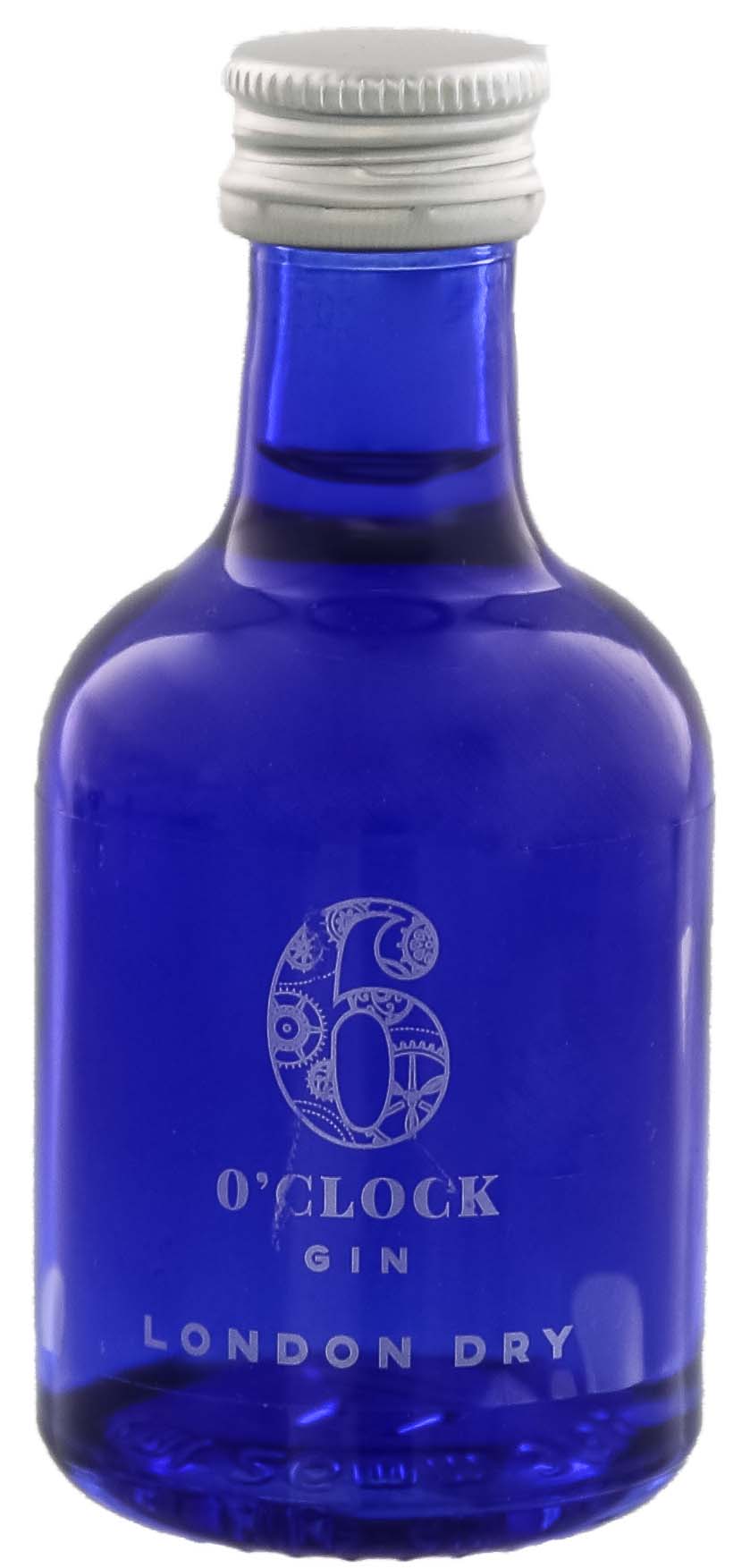
Content: 0.7 Liter (€36.43 / 1 Liter)*

Content: 0.7 Liter (€39.29 / 1 Liter)*
Content: 0.5 Liter (€59.80 / 1 Liter)*


Content: 0.48 Liter (€82.29 / 1 Liter)*


Content: 0.7 Liter (€49.64 / 1 Liter)*

Content: 0.5 Liter (€99.50 / 1 Liter)*

Content: 0.5 Liter (€59.90 / 1 Liter)*

Content: 0.5 Liter (€59.90 / 1 Liter)*


Content: 0.7 Liter (€41.86 / 1 Liter)*


Content: 0.7 Liter (€41.71 / 1 Liter)*


Content: 0.7 Liter (€39.93 / 1 Liter)*


Content: 0.5 Liter (€47.90 / 1 Liter)*


Content: 0.7 Liter (€41.36 / 1 Liter)*


Content: 0.15 Liter (€133.00 / 1 Liter)*

Content: 0.7 Liter (€48.50 / 1 Liter)*
Content: 0.05 Liter (€124.00 / 1 Liter)*


Content: 0.7 Liter (€41.36 / 1 Liter)*

Content: 0.7 Liter (€40.71 / 1 Liter)*

Content: 0.7 Liter (€39.93 / 1 Liter)*
FAQs | Questions and Answers About Gin
- What exactly is London Dry Gin?
-
London Dry Gin is a dry gin with clear juniper and citrus notes. All botanicals must be added during distillation, and no sugar is allowed. It is considered a classic style for Gin & Tonic and many other cocktails.
- How much alcohol should gin contain?
-
Gin must contain at least 37.5% alcohol in the European Union. Many brands are around 40% or slightly higher. Stronger variants, like Navy Strength Gin, have an even higher alcohol content and offer a more intense aroma.
- How much does a good gin cost?
-
Good gins often start at around €15–25 for classic brands. Premium and special gins usually range between €25 and €45. Beyond that, you’ll find limited editions and aged gins, aimed more at enthusiasts and collectors.
- What is Genever?
-
Genever is a traditional juniper spirit from the Netherlands and Belgium, often referred to as Genever or Dutch gin. It is based on a malt-forward base distillate and therefore tastes grainier and softer than many modern dry gins. Genever is considered the direct predecessor of today’s gin.
- What is the best Genever gin?
-
There is no single “best” Genever, as it largely depends on personal taste. Mild, younger Genevers are suitable for beginners, while malt-forward and aged varieties appeal to those who enjoy stronger flavors. The best approach is to try different Genever types to find your favorite.
- What is Sloe Gin?
-
Sloe Gin is a gin-based liqueur made with sloe berries and sugar. It is significantly sweeter than classic gin, has a red color, and combines fruity and slightly tart notes. Sloe Gin is enjoyable neat, on ice, or in sparkling cocktails and is perfect for anyone who likes sweet gin varieties.
- Gin: cucumber or lemon?
-
Whether cucumber or lemon works better depends on the gin chosen. Lemon or lime emphasizes the fresh side of dry gin and London Dry Gin. Cucumber pairs especially well with floral or herbal gins and many modern New Western gins.
- Which gin is best for beginners?
-
Beginners often start with a balanced London Dry Gin, which tastes great in a Gin & Tonic. Those who prefer a softer, rounder style can try an Old Tom Gin or Sloe Gin. This helps determine whether one prefers dry or sweet gin styles.
- What exactly is a sweet gin?
-
Sweet gin usually refers to styles like Old Tom Gin or Sloe Gin, where sugar is intentionally added. These gins are rounder, softer, and often fruitier than classic dry gins. They are particularly suitable for cocktails where a very dry gin would taste too strong.
- How should gin be stored?
-
Gin should be stored tightly sealed, in a cool place, and protected from direct light. Large temperature fluctuations should be avoided. Under these conditions, gin remains stable for a long time and retains its aroma.
